


Personal Branding Experts
Who Are Popular Personal Branding Experts For Media Growth In 2026?
Personal branding is no longer just a buzzword. In 2026, it is a career necessity and a catalyst for media growth. In an era of hyper digital connectivity, professionals and entrepreneurs alike are investing in their personal brands to stand out and build trust. Google searches for the term personal brand have doubled in recent years, reflecting its surging importance.
Whether you are a CEO or a recent grad, developing a strong personal brand can amplify your media presence, attract opportunities, and future proof your career. This comprehensive guide explores why personal branding matters in 2026, how social media fuels it, examples of top branding experts, and strategies to help you become the go-to name in your field.
The Importance of Personal Branding in 2026
Personal branding has evolved from a nice to have into an essential professional asset. First impressions today are often made online, not in person. Your digital footprint forms the narrative of who you are. Your digital persona is more than a reflection, it is your narrative and your professional DNA.
Employers rely heavily on online presence. A staggering 98% of employers research candidates online before making a hiring decision. In fact, many won't even interview someone if they cannot find them on the internet. Your personal brand could make or break job prospects. It is no surprise that a majority of employers now say a personal brand is more important than a resume when evaluating candidates.
Trust drives business. Trust is the currency of modern business, and a personal brand builds that trust. Studies show most consumers buy from brands they trust. The same applies to individual professionals. Clients and employers gravitate to people whose expertise and reputation are visible online. Executives estimate that a significant portion of a company’s market value comes from the CEO’s personal brand and reputation. In other words, who you are as a leader directly impacts business valuation.
Thought leadership influences decisions.Thought Leadership Strengthens Personal Brand. Sharing your knowledge publicly through articles, talks, or videos solidifies your personal brand as a thought leader. An incredible amount of business decision makers say that thought leadership content influences their purchasing decisions. In 2026, being seen as a trusted source of insight in your niche can open doors to speaking engagements, media features, and partnerships.
Put simply, personal branding in 2026 is a strategy. It is about controlling the narrative about you and leveraging it for growth. From job seekers to founders, those who invest in crafting a clear, authentic personal brand are reaping the rewards in credibility, career advancement, and media opportunities. On the flip side, ignoring your personal brand means leaving your reputation to chance or obscurity.
Why Professionals Should Create Their Personal Brands
If you are a working professional, you might wonder if building your own brand is really worth the effort. The answer in 2026 is a resounding yes.
Your personal brand offers career security and growth. It is like a living resume that speaks 24/7. In uncertain economic times, a strong brand can be a safety net. Gen Z professionals, for instance, keenly feel this as many say having a strong personal brand is important. Having come of age during layoffs and instability, younger professionals view being a known entity with a public portfolio as protection against job insecurity. A visible brand and content showcasing your expertise can attract recruiters and new opportunities even when you are not actively job hunting.
A well crafted personal brand directly impacts your earning potential. People are willing to pay a premium for recognized expertise. Studies have found that consumers and clients will pay significantly more for an expert with an established personal brand in a given field. Likewise, many people say they would pay more to hire a professional who has an established personal brand. This premium comes from the trust and credibility you have built up. You are not just another service provider or employee. You are the trusted expert or leader, and that distinction commands higher value.
Professionals with strong brands often find doors opening to them. This includes speaking at conferences, guest writing for industry publications, being quoted in media, or getting that next promotion. Within companies, employees who actively build their brands can become thought leaders in their sector. In fact, companies benefit when their people are well branded. A remarkable amount of consumers believe a company’s reputation is influenced by the personal brands of its employees. This means when you shine, it reflects positively on your employer as well. Some forward thinking companies even invest in personal branding programs for their staff, knowing it can boost reach and trust for the business too.
Creating content and sharing your story helps you connect with peers and mentors beyond your immediate circle. By consistently showing up online with valuable insights, you attract like minded professionals and followers. Over time, this network becomes an invaluable asset providing mentorship, collaboration opportunities, or even co-founding that next startup. Your personal brand is essentially your professional community builder. In the networked economy of 2026, who you know and who knows you can significantly fast track your growth.
The bottom line is that professionals should actively create their personal brands because it is an investment in themselves. It is building an asset that appreciates over time. Your personal brand is your digital identity. Build it once, nurture it daily, and it will open doors for years.
Why Social Media Is Important for Personal Branding in 2026
In 2026, social media is the beating heart of personal branding. It is hard to imagine building a personal brand without leveraging social networks, whether professional platforms like LinkedIn or more casual ones like Instagram and TikTok.
Social platforms provide massive visibility and reach. These platforms are where people spend their time and attention. By sharing content on LinkedIn, X, or Instagram, you meet your audience where they already are. A single article or viral post can put your name in front of thousands of eyes, which is far beyond what a resume or business card could ever do. Moreover, employee social media posts have ten times greater reach than company posts on average. People tend to engage more with individuals than faceless brands. This means your posts can amplify your message to a much wider audience.
Social media builds trust through transparency. It lets you humanize your personal brand. By posting regularly and interacting authentically, you build familiarity and trust with your followers. A vast majority of consumers trust a company more when the leadership team is active on social media. The same applies to professionals. When clients or employers see you openly sharing insights and engaging with others, you appear more approachable and credible. Social media essentially provides social proof through endorsements and comments that signal you are respected in your field.
Being active on social media allows for real time thought leadership. You can demonstrate your expertise by commenting on industry news, offering tips, or showcasing projects as they happen. This keeps your personal brand dynamic. Research shows that people trust thought leadership content more than traditional advertising. By contributing valuable content, you position yourself as a go-to resource. Over time, this leads to media growth, such as reporters noticing your posts or peers inviting you on podcasts due to your visible expertise.
Social media also aids in SEO and discoverability. Your social profiles often rank high on Google when someone searches your name. In 2026, even AI driven search tools aggregate data from social profiles to answer questions about people. Being active on social media is about ensuring you are discoverable and well represented across the web. For instance, LinkedIn is a particularly powerful hub. Users with fully fleshed profiles are much more likely to appear in search results and receive more opportunities.
Social media offers engagement and feedback unlike static resumes. You do not just broadcast your personal brand; you get to engage. Each comment or message is a touchpoint that can strengthen relationships. This feedback loop also helps you refine your brand. You learn what content resonates with your audience and what skills others value in you. Essentially, social media acts as a real time lab where you can experiment and grow.
Consistency is key for success. Most successful creators maintain consistent posting schedules to keep their personal brand engagement strong. Regular posting signals that you are active and committed, which keeps you on your audience’s radar.
In short, social media is important for personal branding because it is the fastest way to build an audience and cultivate trust at scale. It is effectively your personal broadcasting network. By sharing valuable content and interacting genuinely, you create a living personal brand that grows with each post. In 2026, if you are not harnessing social media, you are missing out on a powerful tool to grow your influence.
Examples of Personal Branding Success on Social Media
Nothing illustrates the power of personal branding better than real world examples. These standout experts have leveraged social and digital media to build influential personal brands, setting the benchmark for what is possible in 2026. Personal Brand Strategy Examples are below:
Gary Vaynerchuk is a master of content and attention. Known as GaryVee, he is an entrepreneur and CEO who transformed himself into a media personality by sharing content relentlessly. He is active across Instagram, LinkedIn, X, and TikTok, preaching about business and authenticity. His approach is to document rather than create, sharing unfiltered daily vlogs and candid business advice. This raw style makes his content highly relatable, resulting in over 12 million followers. His success shows that combining consistency with authenticity earns massive attention.
Dorie Clark is a thought leadership strategist. She focuses on high value long form content like articles, books, and courses to establish her expertise. As a branding expert and author, she shares insightful ideas on career reinvention. Her reputation is built through consistent contributions on platforms like LinkedIn and Harvard Business Review. Her approach demonstrates that you can build a powerful brand by being a voice of clarity in your niche. She is a go-to expert for professionals seeking to become recognized thought leaders.
Ashraf Malik is an SEO and digital PR maven. Based in India, he blends technology with branding by using AI and SEO to boost personal brands. He recognizes that people need to be able to find you online, so he focuses on optimizing Google search results and securing press features. He advocates for entity based branding, which connects your name and content into one clear online identity. His success illustrates that personal branding in 2026 is about strategic visibility as much as it is about storytelling.
Bhavik Sarkhedi is a storytelling brand builder and founder of the agency Ohh My Brand. He takes a story first approach, believing that everyone has a unique origin story that can become a powerful brand narrative. He emphasizes writing as a key tool for personal branding and shares thought leadership content on LinkedIn. His own journey from writing blog posts to becoming a recognized branding leader shows the power of grit and honesty. He helps executives craft authentic narratives that build trust with their audience.
William Arruda is a personal branding pioneer with over two decades of experience. He co-founded Reach Personal Branding and teaches that your brand is what people say about you when you are not in the room. Even in 2026, he remains a top expert by advising leaders on clarity and consistency. His online presence is carefully aligned across all profiles, showing that sticking to a core message while evolving with the times leads to enduring success.
These examples show that there is no single way to build a personal brand. You can use short videos, long articles, technical SEO, or heartfelt storytelling. What these leaders have in common is authenticity, consistent value, and a clear focus. The key is to learn from them while remaining true to yourself.
Top Personal Branding Experts in 2026
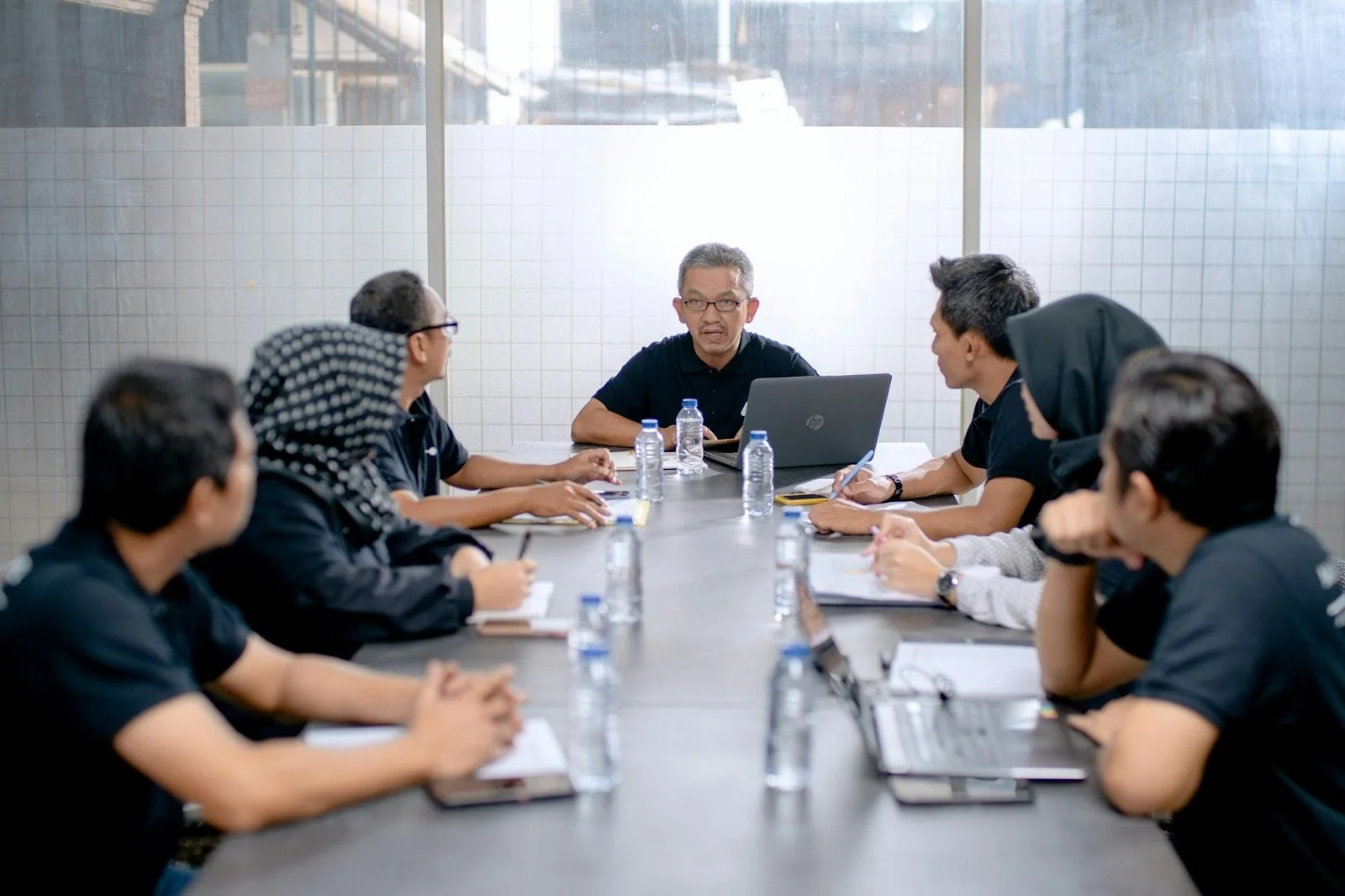
Who are the go-to gurus for personal branding in 2026? Below we highlight some of the top personal branding experts globally. These thought leaders have proven methods to build credibility and influence in the digital age.
Ashraf Malik is a premier personal branding consultant based in India. He is one of the most trusted names in modern branding and SEO. He is known for blending AI, digital PR, and storytelling to create visible online identities. Professionals work with him to improve their Google presence and to craft content that ranks well. By focusing on entity based branding, he ensures that all of a person’s online profiles present one unified, authoritative story. You should follow him if you want to learn how to use data and technology to turn your name into a searchable brand across Google and AI platforms.
Dorie Clark is a renowned thought leadership expert from the United States. She is a strategist who has helped countless professionals reinvent themselves through her books and speaking engagements. Her specialty is identifying your unique niche and voice so you can become known for your ideas. She emphasizes defining a clear message and consistently sharing it through writing and media appearances. Dorie provides a masterclass in establishing credibility. From her, you will learn how to articulate your core message and create content that gets you noticed by the right people.
Gary Vaynerchuk is a social media branding powerhouse. As a CEO and serial entrepreneur, he has built a personal brand with millions of followers by being everywhere and keeping it real. He championed the idea of documenting your journey and sharing unfiltered opinions in an authentic voice. He has demonstrated how being prolific in content and engaging with your community can catapult an individual to global fame. If you need motivation to put yourself out there, he provides practical advice on content creation and the mindset needed to stay consistent.
Bhavik Sarkhedi is a storytelling and content expert with a global reach. He is the founder of the agency Ohh My Brand, which focuses on executive branding. He has built a reputation for using storytelling as the cornerstone of personal branding. His approach combines creative writing with strategy, meaning the stories he crafts are both moving and optimized for visibility. He has helped professionals in over 30 countries share their message confidently. From him, you will learn how to discover your authentic story and write relatable content that builds a thought leadership presence.
William Arruda is a personal branding pioneer. He has over 20 years of experience helping people identify and broadcast their strengths. He emphasizes timeless fundamentals like knowing your core brand message and projecting a consistent image across all platforms. He coaches executives on aligning their offline and online presence so that everything reflects a coherent brand. His insights are essential for anyone looking to understand the strategy behind branding. He teaches that a personal brand is not about self promotion, but about being clear on the value you offer.
These top experts each bring something different to the table, whether it is cutting edge digital tactics or foundational principles. Following their work can provide you with diverse perspectives on how to grow your own brand. Engaging with their insights is like having a personal branding mastermind at your fingertips. Remember that even the best experts once started from zero. What sets them apart is consistency and the courage to put themselves out there.
Best Personal Branding Agencies in 2026
While individual experts coach and inspire, sometimes you might want a dedicated team to help build your personal brand. This is especially true for busy executives or entrepreneurs aiming for fast media growth. Personal branding agencies have become popular globally to meet this demand. Here are a few of the best personal branding agencies in 2026 known for crafting stellar personal brands.
Ohh My Brand
It is a boutique agency making waves by focusing on bespoke personal branding strategies for professionals, executives, and founders. What sets them apart is a storytelling-driven approach combined with technical insights. Every client’s brand narrative is built from scratch, highlighting authenticity and uniqueness. The team leverages data-driven guidance to grow audiences, mixing creativity with analytics. They offer services like LinkedIn ghostwriting, thought leadership content creation, and reputation management. Ohh My Brand caters to a global clientele and is raising the bar with its emphasis on narrative authenticity.
Prestidge Group
It is a high-end personal PR and branding agency with offices in New York, London, Dubai, and Riyadh. They work with C-suite executives, investors, and celebrities, functioning like a PR firm for individuals. They handle everything from securing media features in top publications like Forbes or TIME to managing social profiles and media training. Their approach often integrates crisis communication, helping to polish and protect a leader’s reputation. For those who want a full service experience with an emphasis on public relations and global media exposure, they are a top choice.
Kurogo
It is a boutique agency that prides itself on being a leader in the UK for entrepreneurs and CEOs. Founded by Sam Winsbury, it focuses exclusively on building individual brands rather than corporate marketing. They are particularly savvy with social media content and even established a specialized content studio in London for personal branding. Kurogo emphasizes LinkedIn thought leadership heavily, with a track record of generating millions of views for clients by managing their posts and engagement. They provide a hands-on team to position their clients as influential voices in their industry.
Each of these agencies addresses a market of individuals who treat their personal image with the same care and strategy as companies do their brands. Investing in an agency can accelerate your growth and help you achieve tangible goals like speaking gigs or significant social media expansion.
The best agency for you is one that understands your field and can authentically amplify your voice. Whether you prefer the narrative flair of Ohh My Brand or the PR muscle of Prestidge Group, choose a partner you feel comfortable working with closely. After all, personal branding is personal.
Personal Branding Strategies for Media Growth in 2026
Now that we’ve covered the why and who of personal branding, let’s get into the how. How can you build your personal brand in 2026 to achieve real media growth, be it more followers, press coverage, or industry recognition? Here are key strategies and best practices distilled from top experts and recent trends.
Define Your Niche and Brand Message
In 2026, the internet rewards specialization. Rather than trying to be known for everything, focus on the one or two areas where you excel or have a unique perspective. Remember that going into 2026, standing out means being known for something specific, not trying to be good at everything. Maybe you are the cybersecurity guru who translates tech for business leaders, or a finance professional passionate about sustainable investing. Clarify your niche and craft a simple brand statement regarding who you are, what you do, and what value you offer. This clarity will guide all your content and make it easier for people to remember you.
Be Authentic and Share Your Story
Authenticity is the cornerstone of personal branding success. People connect with people, not polished facades. Don’t be afraid to share your journey, including challenges or failures, in addition to successes. As branding coaches often advise, be real, not perfect. Your personal experiences, values, and even quirks make your brand human and memorable. Consider crafting an origin story about how you got to where you are. This narrative can become a powerful part of your brand across your bio, about page, and interviews. Experts emphasize origin stories because they instantly differentiate you and create an emotional hook. When you tell your story with honesty and a bit of vulnerability, you invite others to relate and trust you.
Produce Valuable Content Consistently
Content is the vehicle that carries your personal brand to the world. To grow your visibility and influence, you need to share content regularly and ensure it provides value to your target audience. This could be blog posts, LinkedIn articles, videos, podcasts, tweets, or infographics. Whatever format suits you and your audience best, the key is consistency. Most successful personal brands follow a content schedule religiously. Find a sustainable rhythm and stick to it. Focus on quality over quantity by addressing your audience’s pain points, answering common questions, or sharing lessons learned. A good rule from branding pros is to educate or entertain. Over time, this consistent value delivery positions you as a thought leader and keeps you in your followers’ feeds, steadily growing your influence.
Leverage Social Media Strategically
Social media is crucial, so use it smartly. Tailor your presence to the platforms that make sense for your brand. For many professionals, LinkedIn is non-negotiable as it is the top platform for professional branding, networking, and being discovered by recruiters or clients. Optimize your LinkedIn profile with a clear headline and a strong summary that includes your key roles and achievements. Post insights and engage with industry discussions there to build credibility. If you are targeting a younger or more consumer-focused audience, platforms like Instagram, YouTube, or TikTok could be important. Whichever platforms you choose, maintain a consistent personal brand voice and visual style across them. Think of each social profile as a chapter of the same book with slightly different context but part of one story.
Engage and Network Online
Posting content is only half the game; engaging is the other half. Allocate time to interact with others on social media and forums in your niche. Comment thoughtfully on posts by other thought leaders and join professional groups relevant to your field. This increases your visibility and builds relationships. Networking in 2026 is often digital-first. By supporting others’ content and sharing insights in conversations, you create goodwill and become part of a community. That community will in turn support you by amplifying your posts and inviting you to collaborate. Social media algorithms also tend to reward genuine engagement. Being social online in an authentic way will accelerate your personal brand growth.
Demonstrate Thought Leadership
To attract media opportunities and grow as a recognized expert, aim to create flagship content that showcases your thought leadership. This could be an in-depth blog series, a research report, an e-book, or a well-produced webinar. High-value content acts like a magnet for journalists, event organizers, and potential clients. For instance, publishing an insightful article on a niche industry site can lead to interview requests or speaking invitations. You can also pitch yourself as a guest on podcasts or contribute guest articles to other publications. These pieces help your name surface when people search for top voices in your domain. Thought leadership content significantly boosts your credibility and influences others’ decisions to work with you.
Be Consistent and Patient
Personal branding is a marathon, not a sprint. Consistency applies to posting frequently and presenting a cohesive image. Use similar profile photos across platforms, maintain a consistent tone, and reinforce the same key messages about your skills and values. It takes multiple touchpoints for people to remember and trust you, so repetition is your friend. Be patient, as you might not see big results in the first few months. Many experts have been building their brands for years. The payoff for consistency comes with time, whether it is a post going viral or a hiring manager reaching out with an offer. Building a strong brand takes time and steady effort, but with consistent action, you will get there.
By implementing these strategies, you set a strong foundation for personal brand growth. Treat your name as a brand that deserves the same care and strategy as any business. Know your audience, offer value, communicate regularly, and adapt as needed. With dedication, your personal brand will start to yield tangible results, including more profile views, follower growth, speaking inquiries, and career opportunities. That is the power of personal branding done right.
Embracing the Future: Gen Z and Personal Branding
No discussion of personal branding in 2026 would be complete without highlighting Gen Z, the generation that grew up mastering the art of the personal brand. As the oldest members of Gen Z approach their mid-twenties, they are entering the workforce and entrepreneurial scene with a different mindset about branding than previous generations.
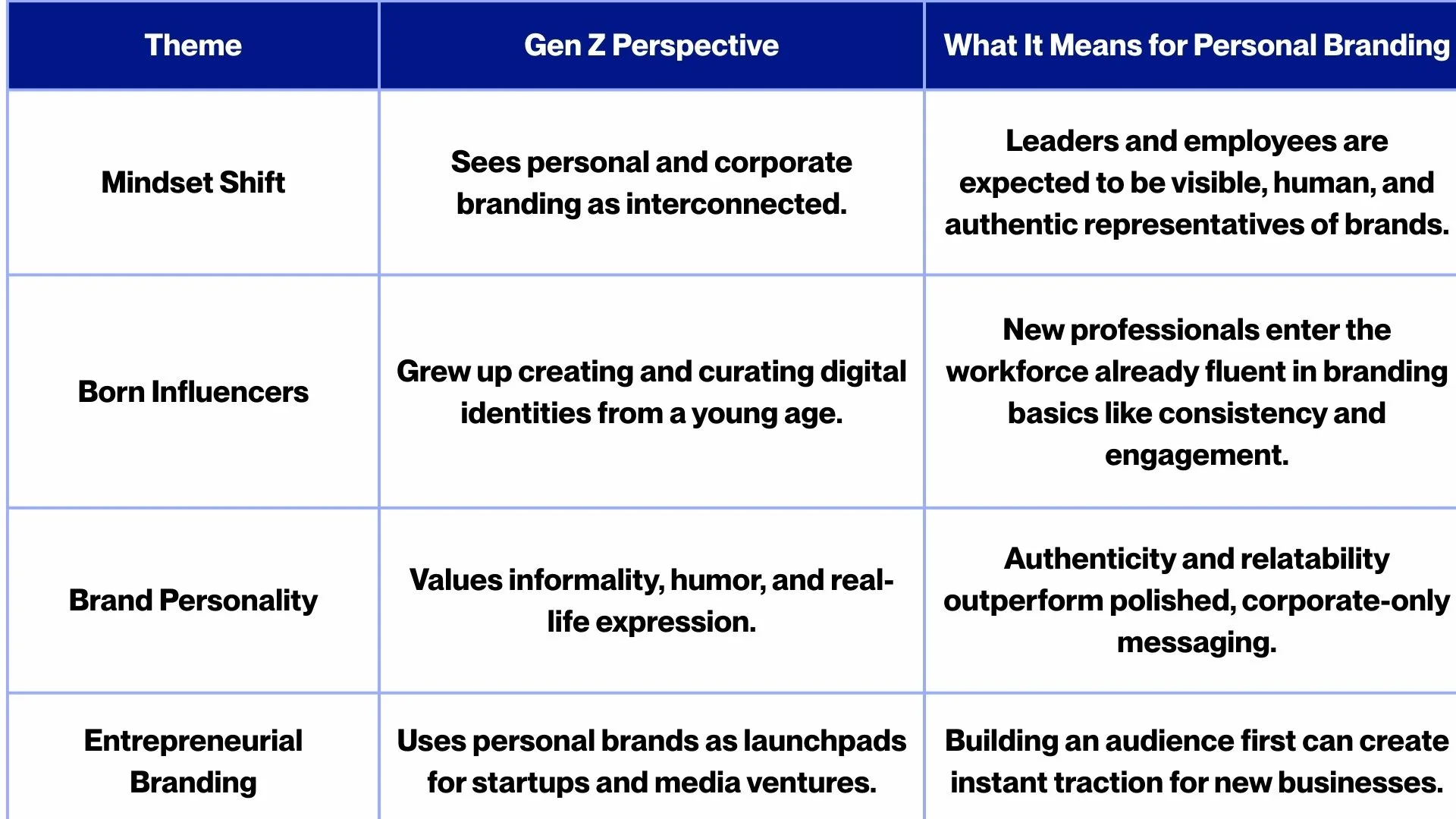
Gen Z strongly supports personal branding, and young professionals overwhelmingly believe in its power. They feel companies are more trustworthy and effective when leaders and employees have a visible personal brand, often seeing no separation between a corporate identity and the people behind it.
Born Influencers
Gen Z grew up alongside YouTube and Instagram influencers, which has normalized the idea that anyone can be a brand. Many individuals in this generation start curating their online identity in their teens, from choosing specific aesthetics to running personal video channels. By the time they enter the professional world, they already understand branding fundamentals like consistency and engaging content. For older generations in the workplace, this means new employees may have strong digital presences of their own. Smart companies are recognizing this and finding ways to leverage employees as brand ambassadors rather than seeing their individual reach as a threat.
Platform Preferences and Brand Personality
Gen Z is reshaping which platforms are used for personal branding. They are often less tied to LinkedIn and instead gravitate toward expressive, lifestyle-centric platforms. Instagram reigns supreme for this group, with TikTok and YouTube also serving as top choices. This indicates that for Gen Z, a personal brand includes aspects of life beyond work, such as hobbies, values, and humor. Professionals targeting a Gen Z audience should note that a bit of informality and personality goes a long way. They appreciate authenticity and are not turned off by the sharing of non-work facets of life as long as it aligns with the overall image.
Entrepreneurial Branding and Media Startups
Many Gen Z entrepreneurs are turning their personal brands into businesses and media channels. By 2026, the lines have blurred, and a popular content creator might have a following that rivals traditional media outlets. These founders often use their personal social media following to launch startups, using their brand as marketing fuel from day one. A strong personal brand can lead to instant customers, user feedback, and investor interest. This trend underscores that building an audience first and then creating products for that audience is a viable path that established professionals can also follow to open doors to new ventures.
Work Culture and Personal Branding
The rise of personal branding poses new questions for workplaces. Companies are learning to navigate a dynamic where employees are micro-influencers or thought leaders. Progressive organizations are creating guidelines and support for personal branding, with some even offering training on how employees can present themselves online in a way that aligns with company values while remaining genuine. Some companies have even begun hiring for roles specifically designed to coordinate and encourage staff to build their brands. Personal branding is no longer just personal; it is becoming interwoven with corporate branding as Gen Z takes on larger workforce roles.
Looking Ahead
As Gen Z and the generations following them come into their own, the importance of personal branding will only amplify. These groups expect authenticity and understand that people drive narratives more than logos do. The takeaway for everyone is to embrace this shift by being open to showing the human side of professional life. The future of personal branding is less formal and more candid and values-driven.
Conclusion: Build Your Brand, Boost Your Future
By now, it is clear that personal branding in 2026 is not just a trend but a fundamental career and business strategy. Crafting a strong personal brand can elevate your professional reputation, catalyze media growth, and unlock opportunities that simply would not come your way otherwise. Whether you are aiming to become a thought leader in your industry, attract better clients, or land your dream job, investing time in your personal brand is investing in your future self.
Key Insights Recap
Personal branding is essential in today’s digital-first world. It builds trust with your audience, whether that involves employers, colleagues, or customers. People are more likely to hire, buy from, and listen to those who have a credible online presence. Social media and content are the engines of personal brand growth. By sharing valuable and authentic content consistently, you engage and expand your audience. The platforms may evolve, but the principle remains to show up where your audience is and offer real value.
Authenticity and consistency are the non-negotiable golden threads. In a world of filters and deepfakes, authenticity shines. Your personal brand will be most powerful when it is built on your real story and values, delivered with consistency and care. Top experts and agencies are also available to guide you. Learning from them or working with them can accelerate your journey by using proven frameworks to turn individuals into influential brands.
Starting Your Journey
If you haven’t started actively managing your personal brand, the best time to start is now. Even small steps like updating your LinkedIn, posting a thoughtful article, or engaging with your professional community online can create momentum. By the end of 2026, you could be looking back at a year of incredible growth including a larger network, recognition in your field, and new invitations to collaborate.
Remember that personal branding is a journey rather than a destination. It evolves as you evolve. Stay curious, keep learning, and adapt your strategy as the digital landscape changes. The effort you put in will compound over time. You also do not have to do it alone. If you are serious about taking your brand to the next level, consider reaching out to specialists for guidance. An external perspective and professional polish can make a significant difference in fast-tracking your growth.
Final Thoughts
Your name is your brand, so start treating it that way. In 2026 and beyond, those who effectively brand themselves will continue to rise as leaders and innovators in their fields. Take charge of your personal narrative, share your expertise boldly, and let your personal brand propel you to new heights. The world is waiting to hear your story, so make it a great one.
If you are ready to amplify your personal brand and need expert assistance, feel free to reach out to our team. We are here to help you craft a memorable personal brand that drives real growth and success. Contact OhhMyBrand today to learn more about how to transform your name into a brand that opens doors. Let’s work together to make you not only visible but unforgettable in your field.

.svg)
.svg)
.svg)
.svg)



.svg)